Starting seeds indoors is magic until you battle clunky plastic trays and wrestle seedlings free without damaging roots. The best biodegradable planting pots solve that by letting you plant directly into the earth, no plastic to dispose of and zero transplant shock.
These eco-friendly pots breathe, drain, and break down naturally in your garden bed, cutting waste and keeping roots healthy. Plus, they often come with handy drainage holes and clear instructions so you’ll avoid guesswork.
Whether you’re growing herbs on your apartment balcony or prepping a backyard veggie patch, these top five biodegradable pots make germination simpler, cleaner, and more sustainable.
120-Pack 3.15″ Biodegradable Planting Pots (Seedlings w/ Drainage Holes)
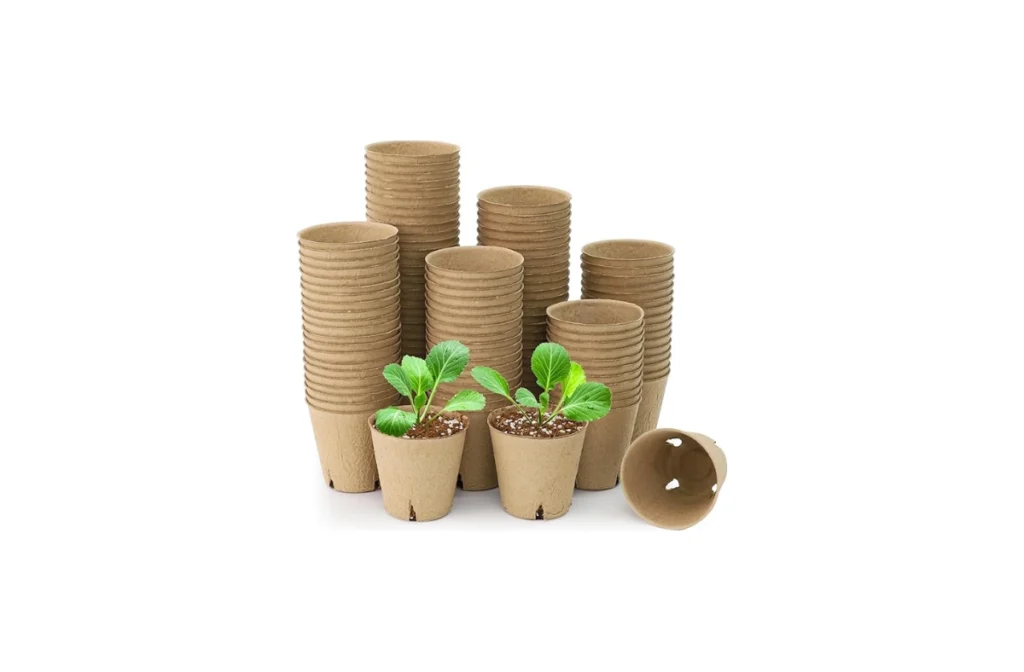
I planted my first basil seeds in these little peat cups and was sold by how fast they sprouted. The drainage holes prevent soggy soil, and the sturdy peat walls hold moisture without collapsing. After four weeks, I dropped the entire pot into my raised bed no plastic waste, no root disturbance. With 120 pots, you’ll have plenty even if your green thumb goes a little wild.
- Pros:
- Huge 120-pot count for extensive sowing
- Built-in drainage stops overwatering
- Peat breaks down quickly in soil
- Lightweight and easy to handle
- Cons:
- Peat can dry out faster than plastic
- Pots may soften if overwatered
Best for: Seed raisers launching large batches ideal for herbs, flowers, and veggies.
Daniel’s Plants 4″ Biodegradable Planting Pots (30-Pack, Peat Free & OMRI-Listed)
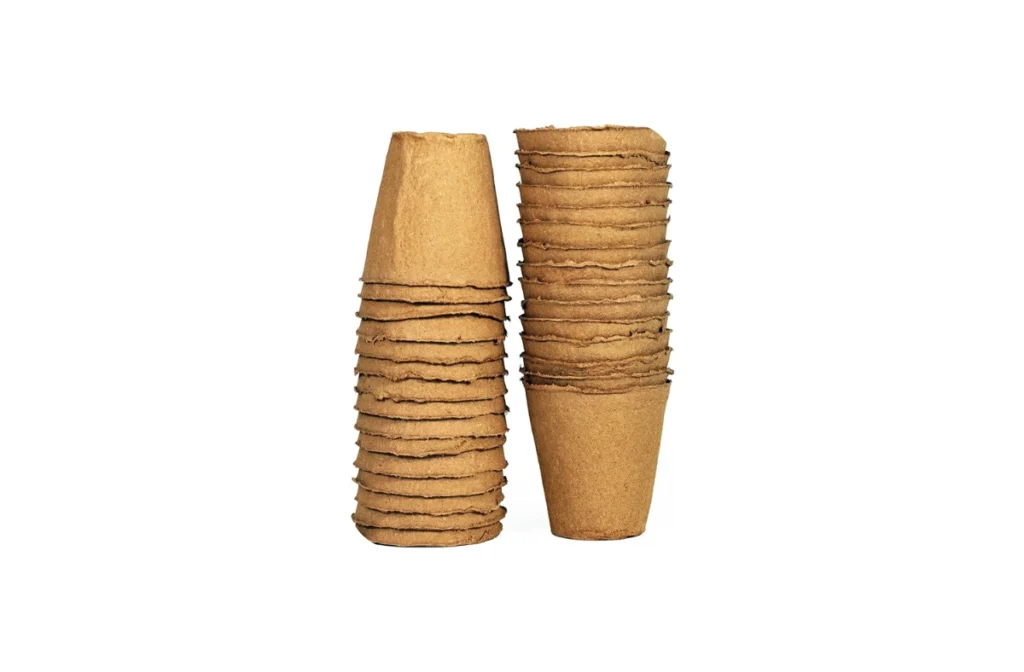
These naked pots from Daniel’s Plants impressed me with their airy fabric construction no peat here. They’re OMRI-listed, so you know they meet organic standards. The breathable walls promote robust roots, and you just pop them straight into garden soil. After testing with tomatoes and marigolds, I noticed fuller root systems and less waterlogging compared to traditional peat cups.
- Pros:
- Peat-free, organic-certified fabric
- Enhanced aeration for strong roots
- 4″ size suits larger seedlings
- Biodegrades without residue
- Cons:
- Fabric walls require slightly more careful watering
- Smaller pack size than peat options
Best for: Organic growers and anyone avoiding peat who still wants sturdy, biodegradable pots.
Jiffy Organic Seed Starting 5″ Biodegradable Planting Pots (24-Pack)
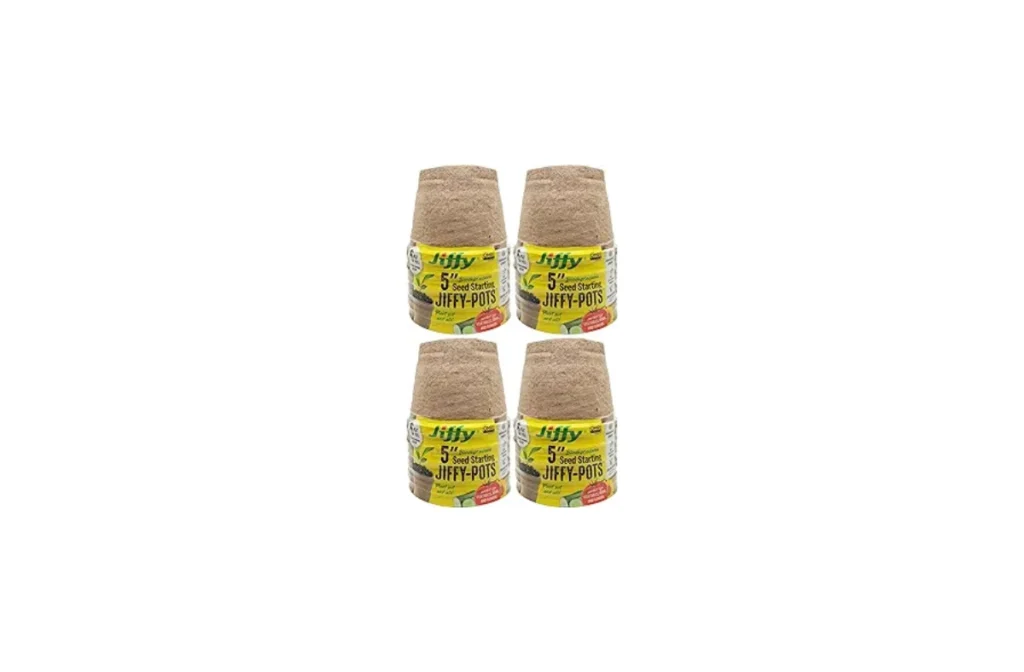
Jiffy’s classic peat pots delivered consistent germination across lettuce, peppers, and calendula. These 5″ cups are thick enough to handle regular watering without sagging. After the seedlings sprouted, I trimmed the rim, planted the whole pot, and the peat melded into my garden soil within weeks no fuss, no plastic.
- Pros:
- Trusted Jiffy brand quality
- Generous 5″ depth for robust root growth
- Smooth peat walls maintain shape
- Biodegrades seamlessly
- Cons:
- Limited pack size if you sow heavily
- Slight odor when wet (natural peat smell)
Best for: Gardeners wanting a reliable, mid-sized peat pot for a range of vegetable and flower starters.
Jucoan 40-Pack Biodegradable Planting Pots (480 Cells)
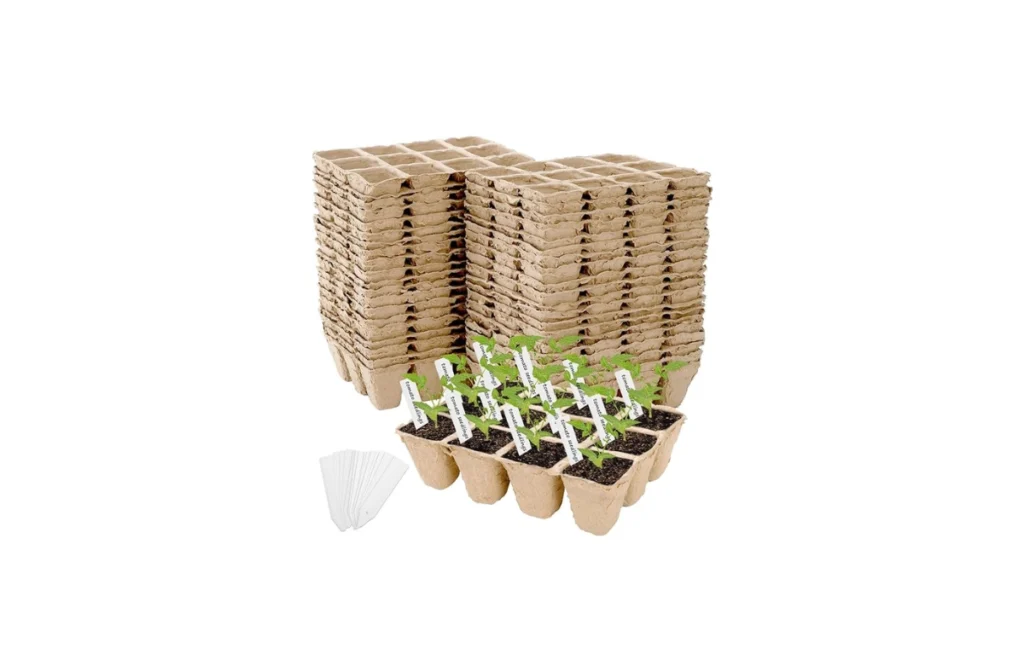
If you’re serious about seed starting, these trays are a game changer. Forty 12-cell strips give you 480 individual pots perfect for testing multiple varieties. The peat cups sit snugly in a plastic tray for easy watering, and the included plant labels let you track each row. I used them for 10 different lettuce types and loved how organized my greenhouse bench looked.
- Pros:
- Massive 480-cell setup for experiments
- Uniform peat cups with drainage
- Comes with 40 labeled stakes
- Tray keeps cups upright and tidy
- Cons:
- Tray adds plastic waste (though cups biodegrade)
- Removing cups can be fiddly if roots cling
Best for: Seed-starting fanatics and small-scale nurseries needing serious organization.
4″ Coco Coir Plant Pots (12-Pack, Biodegradable Planting Pots)
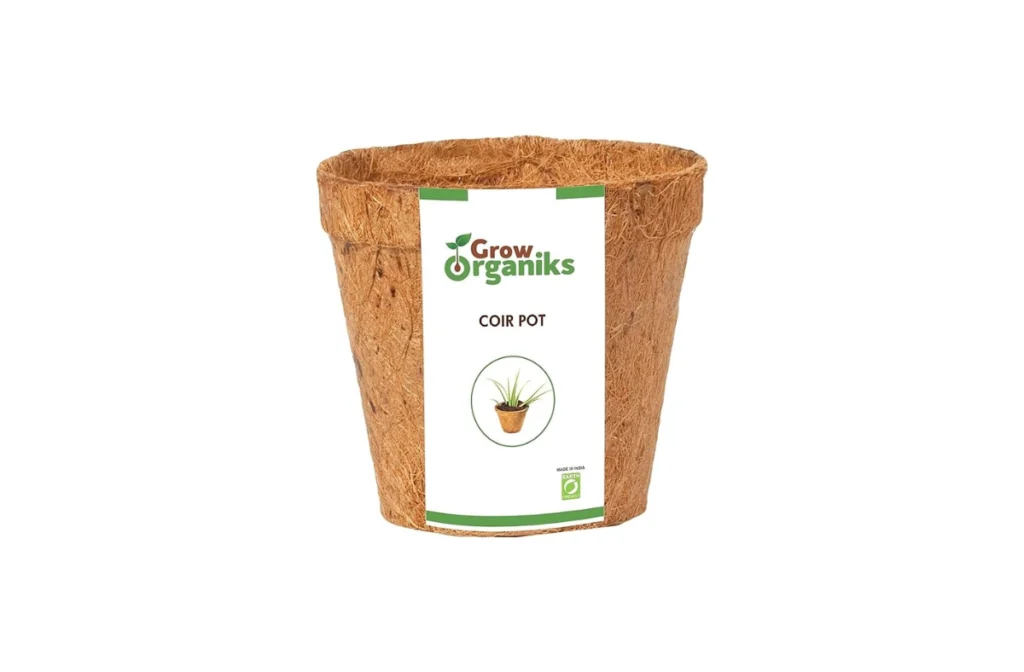
These coco‐coir cups felt like a spa treatment for my seedlings. The natural fibers retain moisture evenly and prevent root circling. After eight weeks, the cups were so integrated into the soil you could barely tell they were there. They’re sturdy enough to carry young lettuce and petunia starts, and I love that they’re peat-free, too.
- Pros:
- Coconut‐fiber potting cups, peat-free
- Excellent moisture retention
- 4″ size for moderate seedlings
- Breaks down cleanly in soil
- Cons:
- Slightly more expensive per pot
- Fiber dust can get messy without careful handling
Best for: Eco-conscious growers who prefer coconut coir over peat for seed starting.
Comparison
| Product Name | Key Feature | Specs | Pros |
|---|---|---|---|
| 120-Pack 3.15″ Peat Pots | Large 120-pack count | 120 pots; 3.15″; drainage holes | Bulk value, easy transplant, biodegradable |
| Daniel’s Plants 4″ Naked Pots (30-Pack) | OMRI-listed, peat-free | 30 pots; 4″; fabric walls | Enhanced aeration, organic, no peat |
| Jiffy Organic 5″ Peat Pots (24-Pack) | Thick-walled classic peat | 24 pots; 5″; deep cups | Trusted brand, robust roots, biodegradable |
| Jucoan 480-Cell Peat Pot Trays (40-Pack) | Organized tray + labels | 480 cells; 12-cell strips; peat cups | High capacity, labeled, tidy setup |
| 4″ Coco Coir Plant Pots (12-Pack) | Coconut-fiber, peat-free | 12 pots; 4″; coir fiber | Great moisture, eco-friendly, sturdy |
Buying Guide – What to Consider Before Buying Best Biodegradable Planting Pots
- Material & Sustainability:
Peat vs. coconut coir vs. fabric peat breaks down quickly but isn’t always renewable; coir is a byproduct; fabric offers strong aeration. - Size & Seedling Type:
Smaller pots (3″–4″) suit herbs and greens; larger cups (5″) are perfect for tomatoes and deep-rooted flowers. - Drainage & Aeration:
Look for pots with drainage holes or breathable walls to prevent root rot and encourage healthy root systems. - Pack Size & Organization:
Bulk packs (120, 480 cells) offer quantity; smaller packs are fine if you only grow a few plants. Trays and labels streamline multiple varieties. - Price & Value:
Calculate cost per pot, considering reusability (fabric pots can sometimes be reused) and organic certifications.
FAQs
Q1: Can I plant biodegradable pots directly in the ground?
Yes most pots dissolve within 4–8 weeks, enriching soil without removing the cup.
Q2: Do peat pots harm the environment?
Peat harvesting raises concerns; consider coconut coir or OMRI-listed fabric pots for a more sustainable choice.
Q3: How often should I water seedlings in biodegradable pots?
Monitor soil moisture daily pots drain faster than plastic, so give small amounts of water when the top layer feels dry.
Q4: Will the pots fall apart before transplanting?
High-quality peat, coir, and fabric pots hold their shape through the seedling phase; avoid overwatering to maintain integrity.
Final Thought
- Best budget bulk: 120-Pack 3.15″ Peat Pots offer unbeatable value for big seed-starting sessions.
- Best organic choice: Daniel’s Plants naked fabric pots for peat-free, OMRI-certified spring starts.
- Best versatile size: Jiffy 5″ cups for a broad range of veggies and flowers.
- Best organized setup: Jucoan 480-cell trays with labels for multi-variety experiments.
- Best eco-friendly premium: Coco coir 4″ pots for sustainable, moisture-balanced seed care.
Whichever you choose, these biodegradable planting pots simplify your spring sowing, boost seedling health, and keep plastic out of the landfill .Also find Glass Hummingbird feeders for outdoors.
Disclosure
As an Amazon Associate, I earn from qualifying purchases at no extra cost to you.